Take-offThe problem
- Families and friends over 40
- Couples aged 25 to 35
Share of footfall
Share of revenue
Most of the guests, a fraction of the money
The founders were designing for over-40 families who came to slow down. Matching what I saw at the tables to the till showed young couples were about 40% of footfall and close to 80% of revenue.
Read the full story
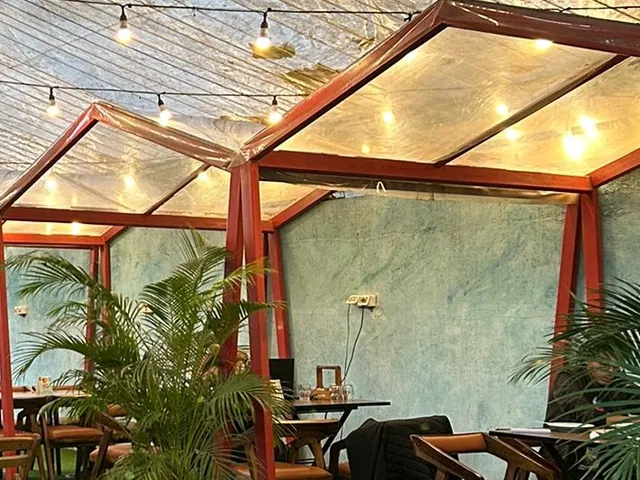
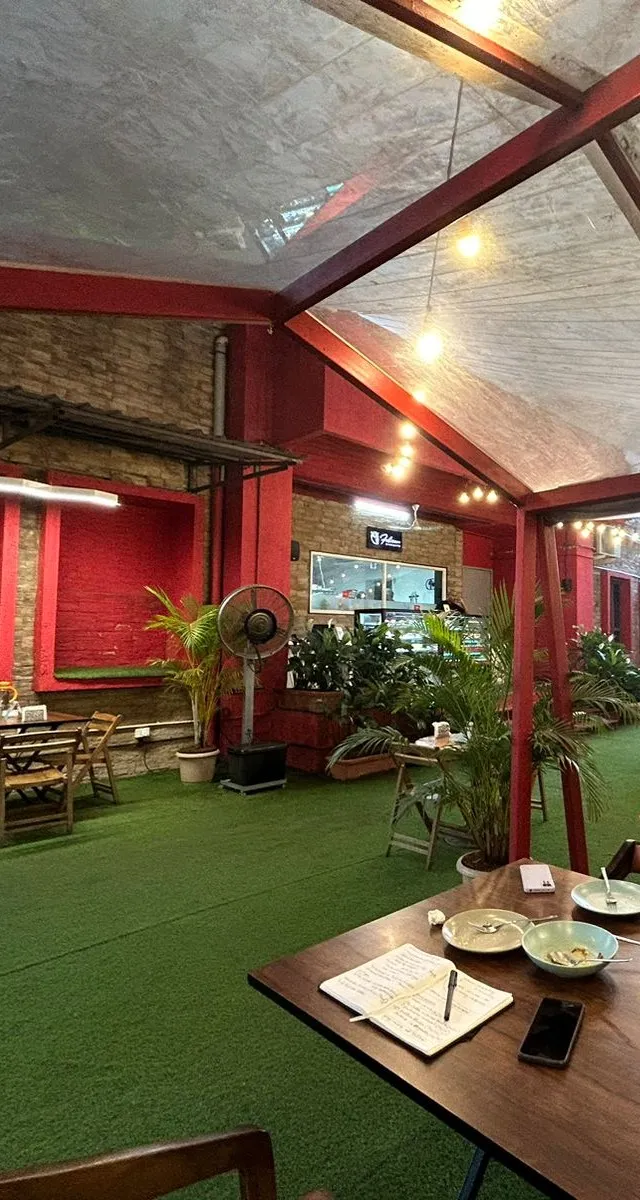
In May 2024 the founders of Felice Pasticceria, a small backyard café behind a bungalow in Pune, gave me a one-line brief: “Study the customer experience and improve it.” No targets, nothing about revenue.
I made one call early: an experience fix that doesn’t show up in the numbers won’t survive. So I tied every change to two numbers the founders already tracked, turnaround time and average order value.
I shadowed 180 customer interactions on the ground. The founders gave me access to their POS, and I matched every bill to what I had observed at the table. The café turned out to be designed for the wrong customer. The real engine was young couples, financially settled, looking for a quiet escape from the buzz and from screens.
- 01
A digital menu
Scan first, then hunt for dishes.
- 02
Unclear ordering
Walk up, or wait to be served?
- 03
Portions too big
No room left for dessert.
- 04
Slow order-taking
A long gap after sitting down.
- 05
Wrong course order
Pasta before the appetizer.
Five things in the way of the guests who paid
People who came to get away from screens had to scan a QR code before anything else. Then generous portions quietly crowded out dessert, the café's most popular and highest-margin item.
Read the full story
- A digital menu. People who came to get away from screens had to scan a QR code first, and the menu wasn’t structured well, so finding dishes was hard.
- Unclear ordering. First-time guests didn’t know whether to walk up to the counter or wait for someone, because captains stood behind the counter.
- Portions were too big. Appetizers and mains filled people up, so they skipped dessert. This capped average order value.
- Slow order-taking. The gap between a guest walking in and the order being placed was long.
- Wrong course order. Sometimes the pasta arrived before the appetizer.
CruiseThe work
- QR-code menubecameA printed menu, in the order people eat
- Captains behind the counterbecameCaptains beside the tables
- Portions that end the meal earlybecameSlightly smaller, with room for dessert
- Value-café prices on premium platesbecamePrices up 5 to 10%, matching the food
- Dishes leaving the kitchen as readybecameThe pass sends courses out in sequence
Cut the waiting nobody chose
Each change was tied to turnaround time or order value. I cut the waits guests didn't choose, to order and for the right course, and left alone the unhurried time after the meal.
Read the full story
Menu. I designed a physical menu and restructured it so dishes were grouped by category and arranged in the order people actually eat.
Portions. We reduced appetizer and main portions slightly, just enough to leave room for dessert.
Pricing and positioning. We raised prices by 5 to 10%. This wasn’t only about order value. For the couples segment, the brand sat in a confusing middle: the food and plating were premium, but prices looked like a value-for-money café. The same segment was paying 10 to 20% more for similar food at competing cafés.
Captains. I moved them from behind the counter to near the tables, so it was obvious that someone would come to take your order.
Service routine. Staff greeted guests, handed over the menu, and checked within a couple of minutes if they were ready to order.
Pairings. Staff suggested complementary starters, drinks and desserts, especially at the end of the meal.
Course order. The pass, the quality-check person in the kitchen who clears food for service, made sure dishes went out in the right sequence.
Every change touched a different team, so I walked the kitchen, floor staff and founders through the reasoning, and wrote the procedures down so it didn’t depend on me being in the room.
+34%
Average order value per person
10%
Faster customer turnaround
Pricing
The 5 to 10% increase.
One more dish
Room for dessert.
Pairings
Suggested by staff.
Guest mix
More of the couples who spend more.
More per guest, less waiting
Both numbers were measured on the same till the founders already used, and shared with me after I handed over. The lift in order value came from four places at once.
We’re moving to a larger location, scaling up. Can you come and design the entire service experience for us?
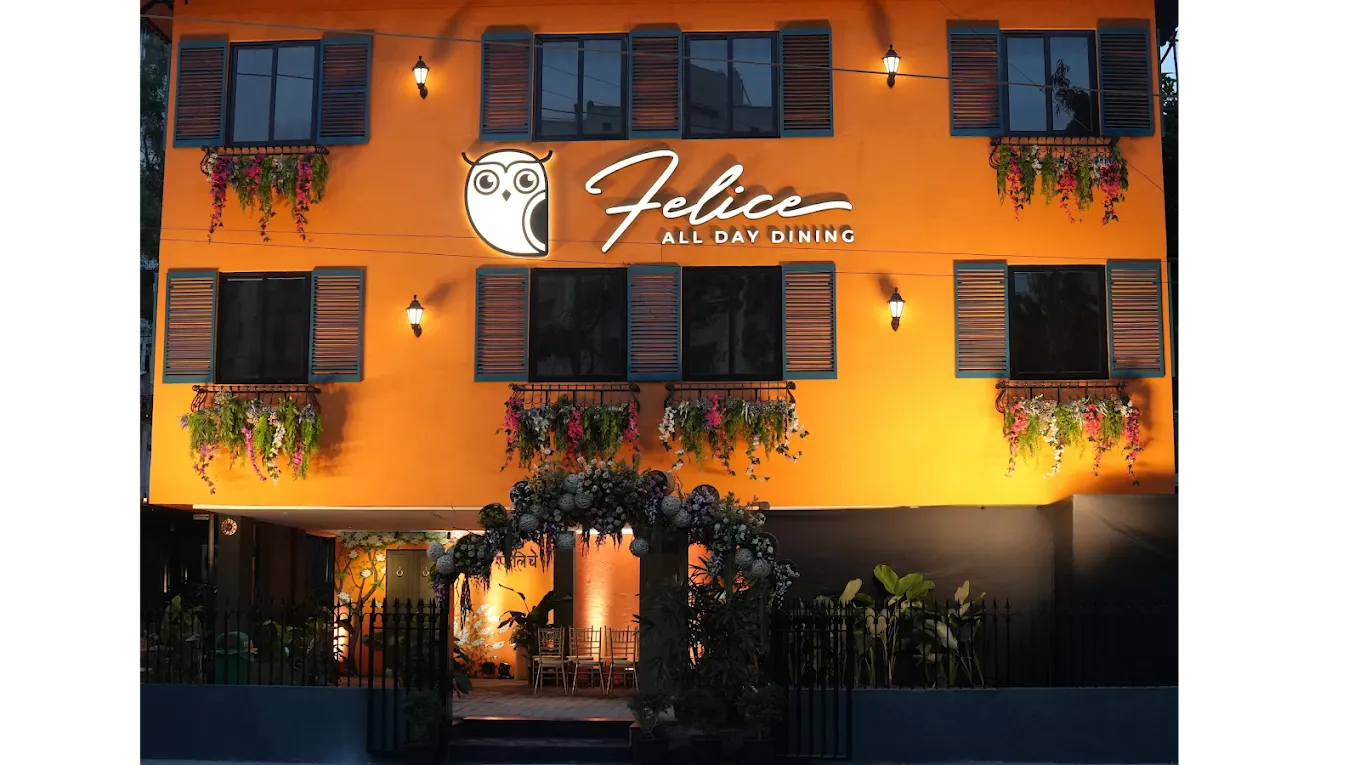
Six months later, the phone rang
The founders were moving to a larger, central building and wanted the whole service experience designed from the start. That call meant more to me than any metric.
32 covers in the backyard
Designed for 80+ in the new outlet
Kitchen
Two floors
Dine-in
Two floors · one captain per 4 to 5 tables
Ground
Waiting area · ice cream, bakery and dessert shop
Bigger, but never packed
Capacity went from 32 covers to an outlet designed for 80+. We used the same insight as before: guests wanted comfort and quiet, so we kept density low and let revenue per guest do the work.
Read the full story
From July to December 2025 I worked on Felice All Day Dining, in a 4-storey building in a central location. The menu grew into all-day breakfast plus more mains, appetizers and drinks. I was part of it from the start: floor planning, procedures, staffing, peak-hour handling and staff training before opening.
How the business case worked with lower density
Revenue came from four places: 2.5x capacity, higher prices and order value, the ground-floor dessert shop, and Swiggy and Zomato delivery.
Running the floor
Food moved up from the kitchen floors by dumbwaiter. One captain looked after every 4 to 5 tables, with a steward to assist. At peak hours guests got a clear wait time and we took their number to call them when a table was ready. Staff used walkie-talkies and in-ear earpieces, so the host sent guests upstairs only once their table was actually ready.
Training
We opened in phases, starting with only the first dine-in floor, so I trained about 8 staff: captains, stewards and the host, a mix of old Pasticceria staff and new hires. About 2 months of the engagement was training: written procedures, role plays, mock service days before opening, and shadowing. After opening, I checked it was working through random guest interviews, shadowing and observation.
LandingThe result
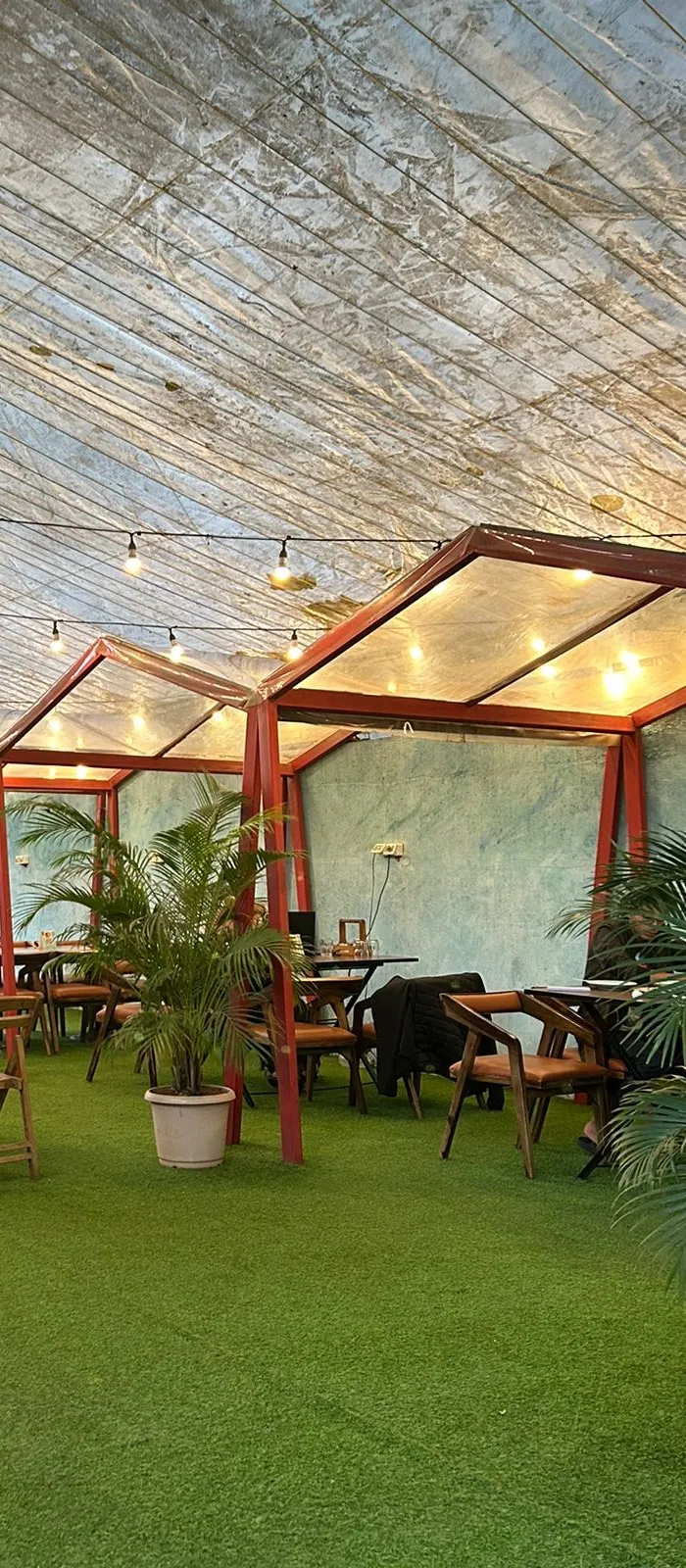
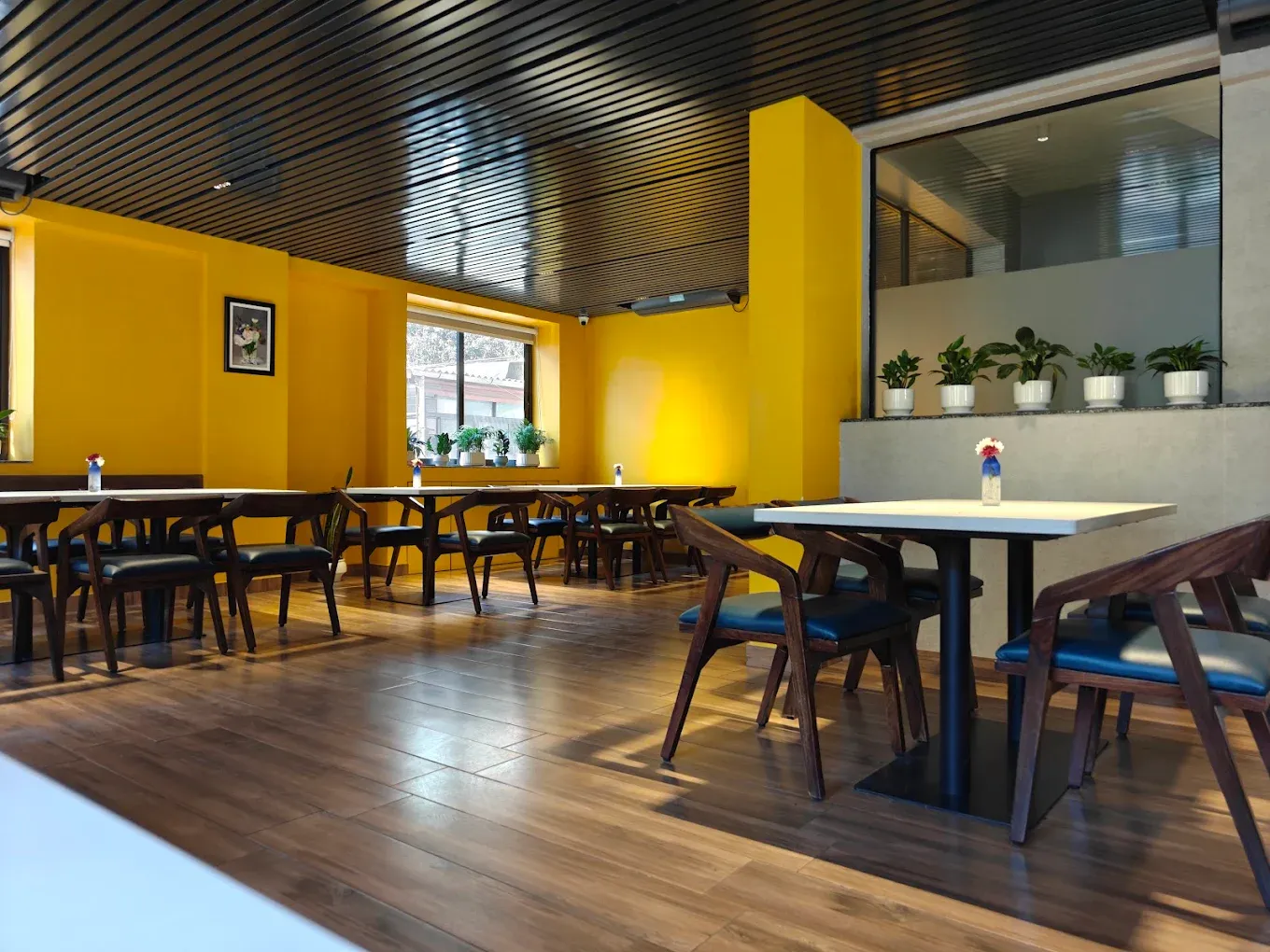
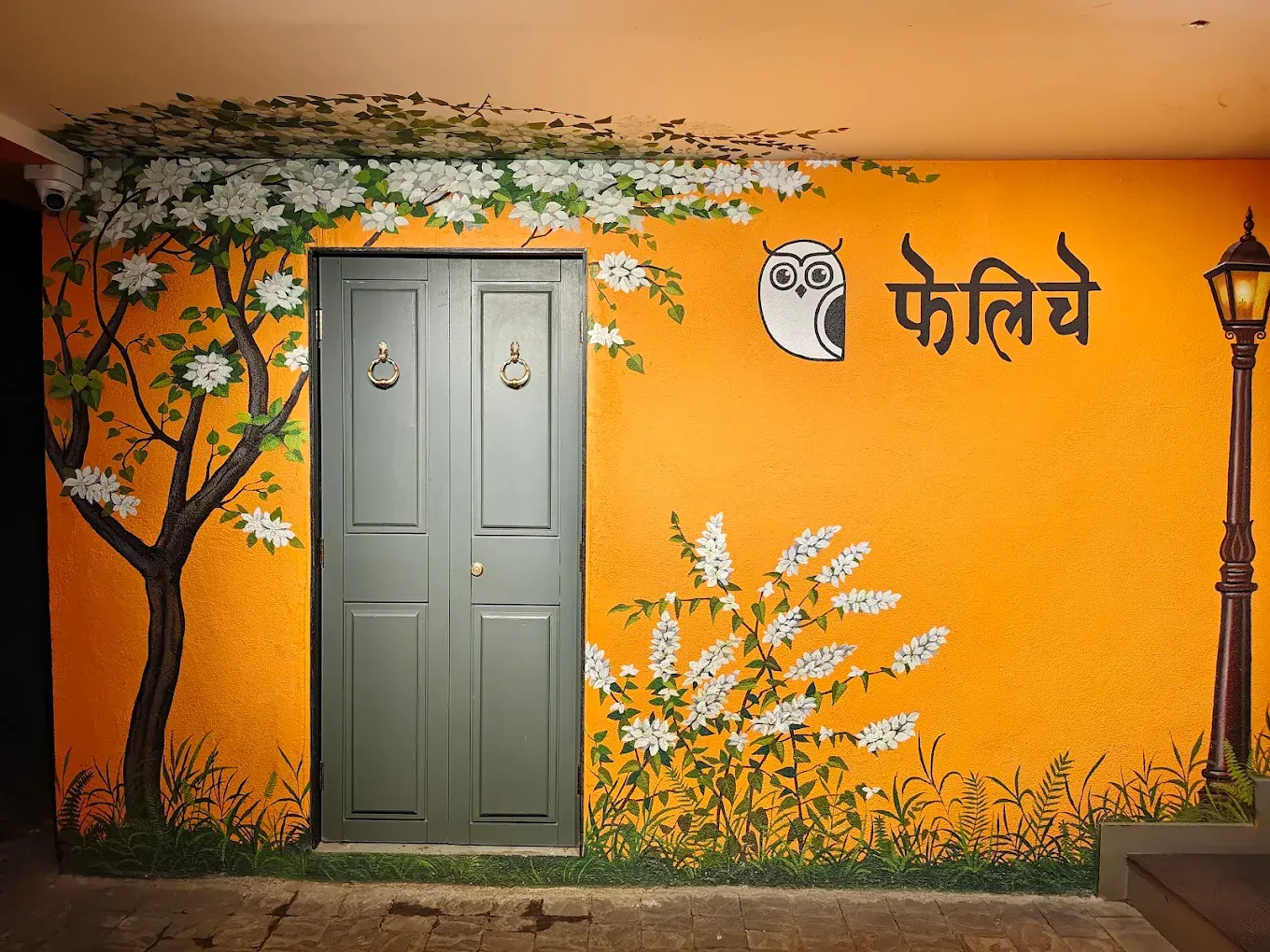
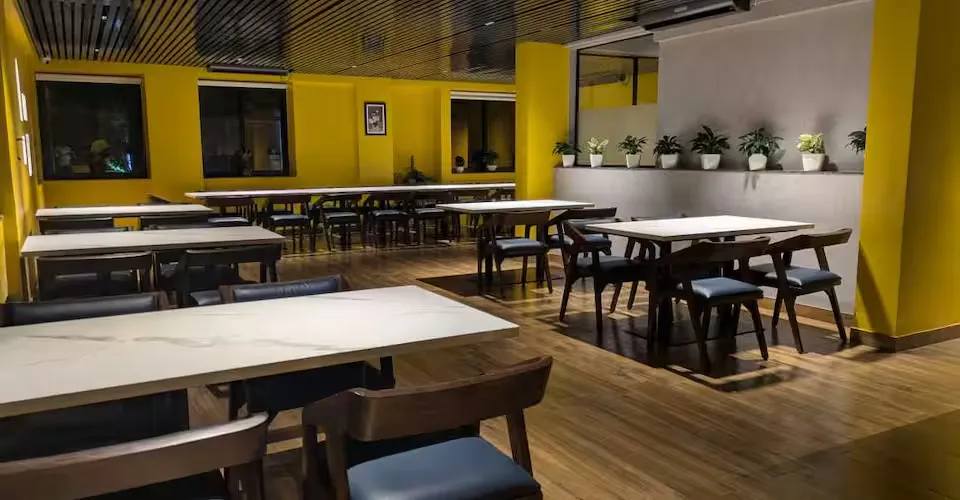
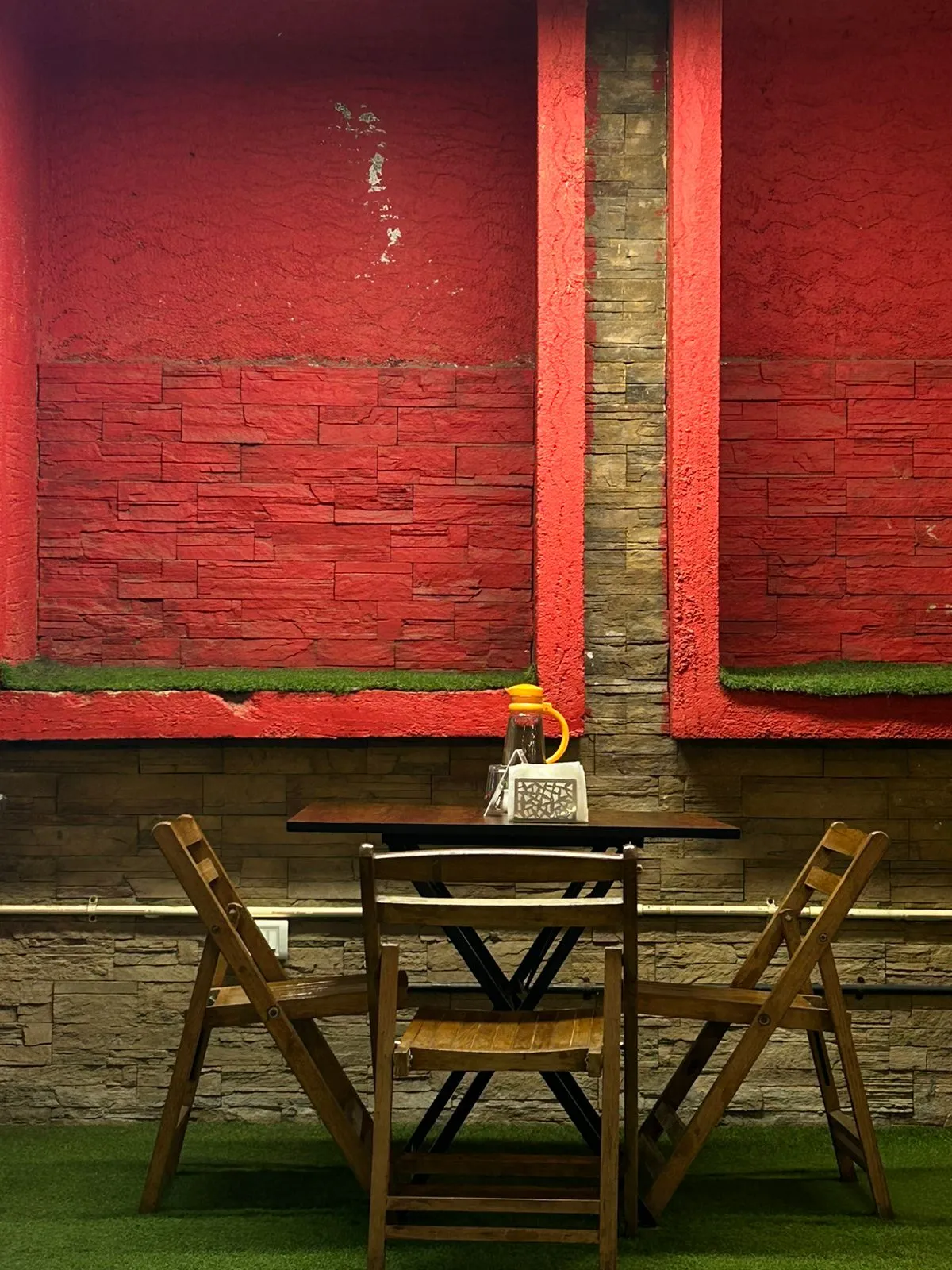
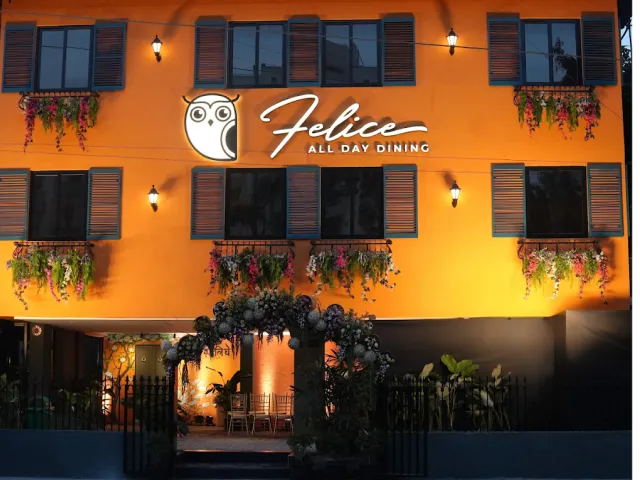
From a backyard to a landmark
Same owl, very different address. Aligning the operation with the bigger scale and the new positioning contributed to a ₹7+ Cr annual revenue run-rate.
DebriefWhat I learned
- 01
Data wins arguments
The founders pushed back until the till agreed with my notes.
- 02
Unlearning is harder than learning
Old staff had habits to drop. New hires were sometimes faster.
- 03
The guests you notice are not always the ones paying
Footfall and revenue were far apart.
The dumbwaiter failed in week one
We kept creating orders on the till but sent them to the kitchen through a WhatsApp group, and stewards ran food up and down the stairs while guests took the lift. It was tough, but service didn't stop.
Read the full story
Founder pushback. The founders pushed back when I said their target customer wasn’t the one paying the bills. Matching my observations to the POS data is what changed their minds. Data won the argument; opinion wouldn’t have.
Unlearning was harder than learning. Staff didn’t resist the new procedures, but the old Pasticceria staff took time to adapt because they had to unlearn habits first.
The biggest surprise was how far apart footfall and revenue were at Pasticceria. The customers you notice most are not always the ones paying.